


Table Of Contents

Definition:
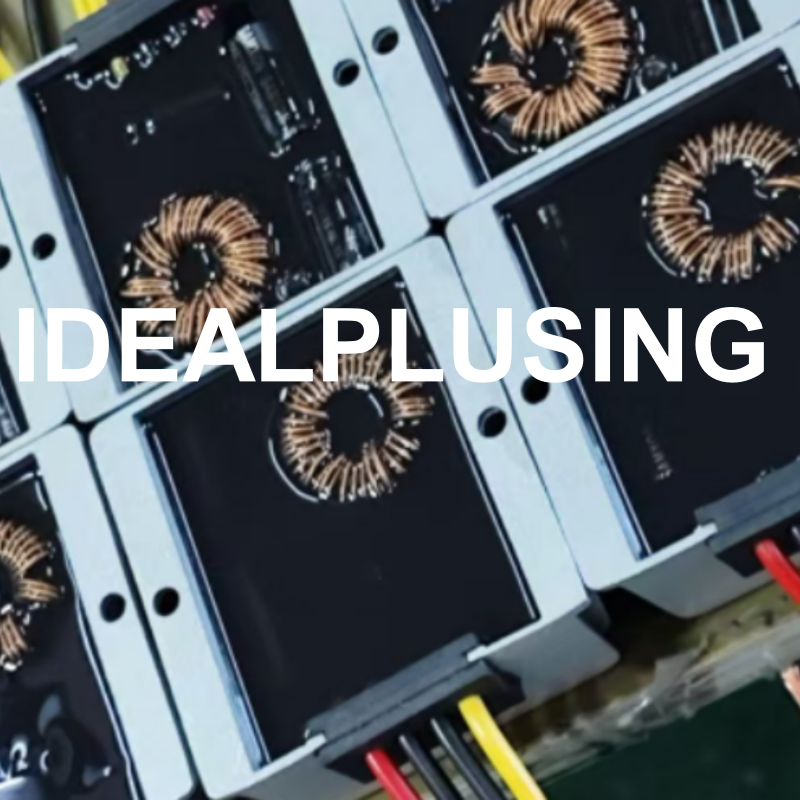
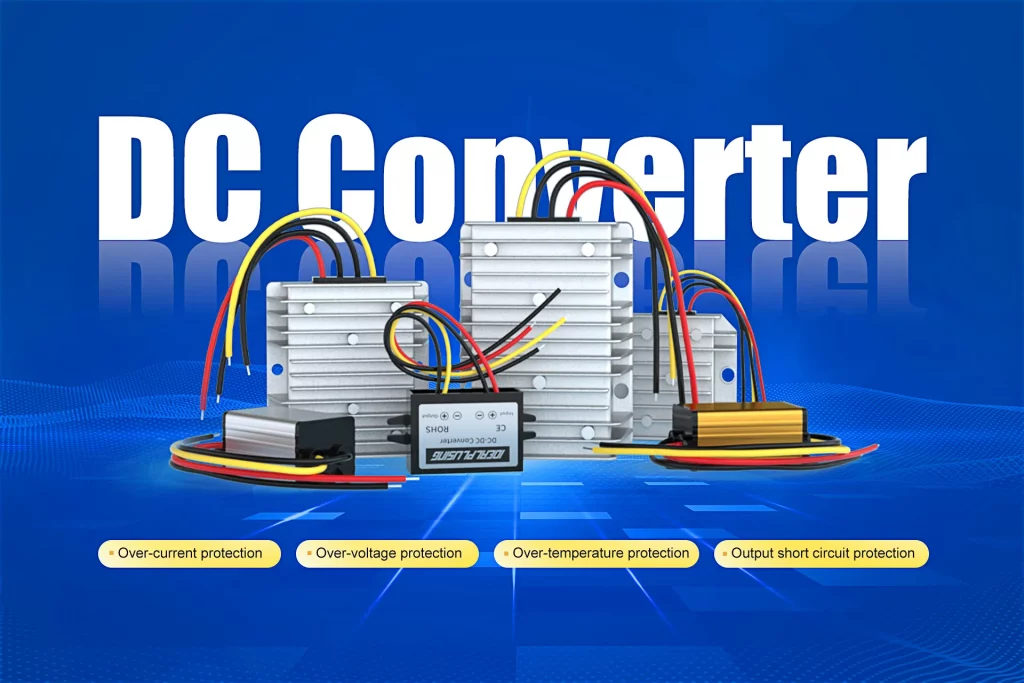
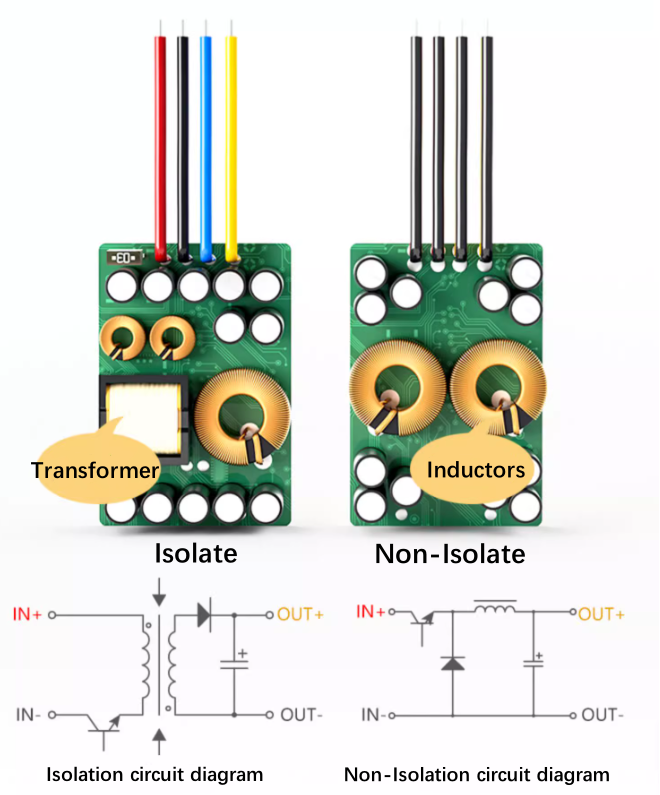
DC converter is an electronic circuit that converts one DC power source to another DC power source. Isolated and non-isolated are two common types of DC converters. The isolated DC converter has an isolation transformer that separates the input and output ends, thus preventing electrical feedback between the input and output. The non-isolated DC converter does not have an isolation transformer, and the input and output ends are directly connected.
Advantages and disadvantages:
Isolated DC converters have good isolation effects and can effectively prevent electrical feedback. In addition, since there is no electrical connection between the output end and the ground, personal safety can be effectively protected. However, due to the presence of isolation transformers, the manufacturing cost is relatively high. It is usually used in applications that require constant voltage, such as LED lighting, electric vehicles and solar power generation. DC converters have the following advantages:
1. High efficiency: DC converters usually have high conversion efficiency and can convert the input power supply energy into a more stable output voltage. Therefore, they are very useful for reducing energy waste and reducing electricity bills.
2. Stability: DC converters usually have high stability and can provide stable voltage output, thus protecting electrical equipment from damage caused by fluctuations in the power supply voltage.
Non-isolated DC converters are relatively cheap and small in size. Since there is no isolation transformer, its conversion efficiency is relatively high. However, since there is no isolation between the input and output terminals, there are safety risks such as leakage. They are usually used in some applications that require different voltages or frequencies, such as electric vehicles, industrial robots, etc. In electrical equipment applications, non-isolated converters usually have the following characteristics:
1. Low price: The production cost of non-isolated converters is relatively low, so the price is also relatively cheap.
2. Versatile functions: Non-isolated converters can convert various input power sources, including AC and DC. Different converters can also provide different types of outputs, such as AC output or DC output, etc.
3. Lower safety: Since non-isolated converters cannot provide an isolated circuit, special care is required when using them. Users should avoid direct contact with internal circuits and follow the manufacturer’s warning instructions.
Conclusion:
In the application of electrical equipment, DC converters and non-isolated converters have their own advantages and disadvantages. Users should consider the required functions, price and safety when choosing equipment. Isolated DC converters and non-isolated DC converters are both forms of DC power conversion. Isolated DC converters have good isolation effects, but the cost is relatively high. Non-isolated DC converters are low in cost, but there are safety hazards. The type of DC converter to be selected should be determined according to the specific application scenario. For applications that require stable voltage output, a DC converter should be selected; for applications that require different input and output voltages, a non-isolated converter can be used.
Greetings, esteemed clientele. We specialize in customizing DC-DC converters to meet your specific requirements. With customized input and output voltage and current, our offerings range from 1V to 1000V and 1A to 1000A. We provide both isolated and non-isolated converter design options. Please visit our website and submit any inquiries to explore our capabilities further. Our dedicated team endeavors to respond within one hour. Thank you for considering our services.
Hot Sellers
Model:IPS-DTD250S7213.8
Input Voltage:250VDC±15%
Output voltage: 72VDC±1-2%
Output current : 13.8A
Design: Isolated