


Table Of Contents
The isolated bidirectional DC-DC converter is a common power electronic converter used for energy conversion between different voltage levels. It has energy flow in two directions, which can convert electrical energy from the input end to the output end, and can also convert electrical energy from the output end to the input end. This article will introduce the working principle of the isolated bidirectional DC-DC converter in detail.
1. The basic structure of the isolated bidirectional DC-DC converter
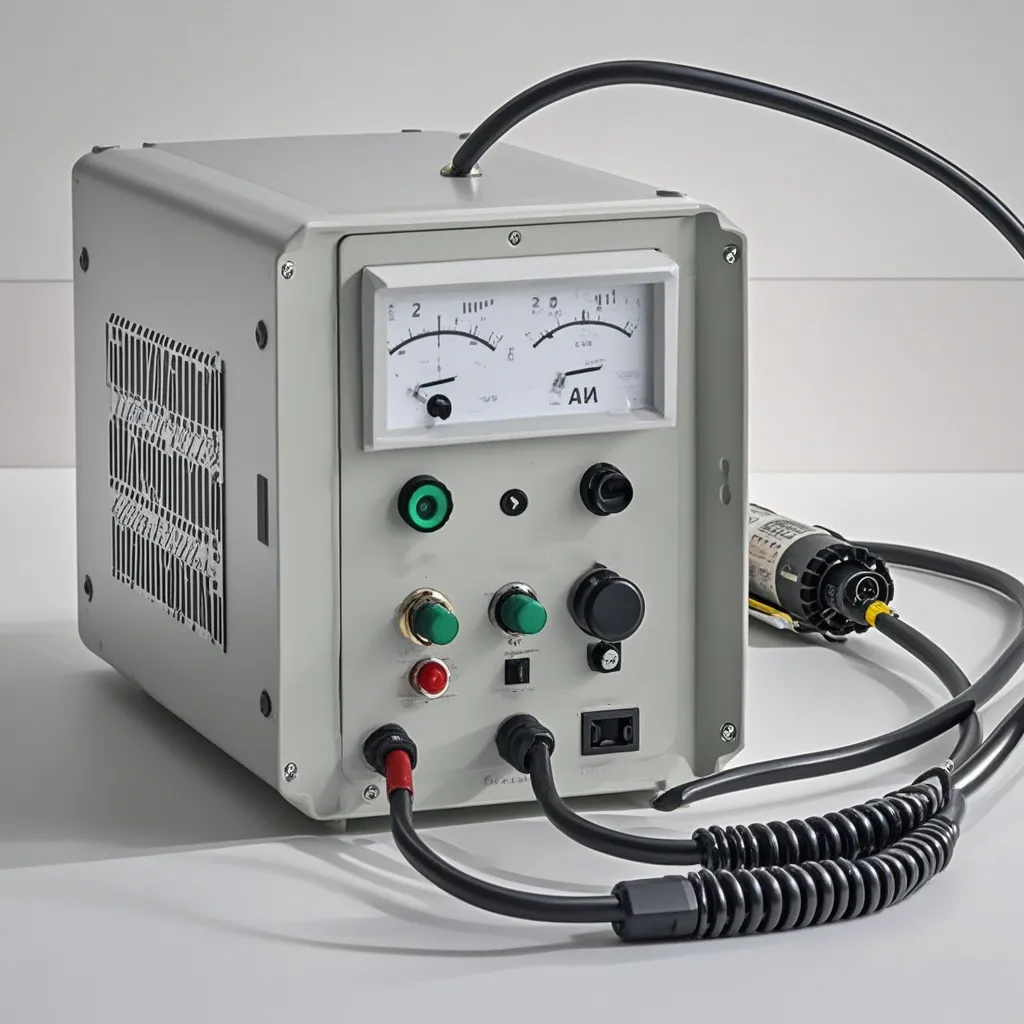
The isolated bidirectional DC-DC converter consists of an input end, an output end, a switch tube, an inductor and a capacitor. Among them, the switch tube is used to control the direction of energy flow, and the inductor and capacitor are used to achieve energy storage and smooth output. During the working process, the input and output ends are isolated by a transformer, which can achieve electrical isolation between the input and output ends and improve the safety of the system.
2. The working principle of the isolated bidirectional DC-DC converter
The working principle of the isolated bidirectional DC-DC converter can be divided into two directions: forward operation and reverse operation.
1. Forward operation
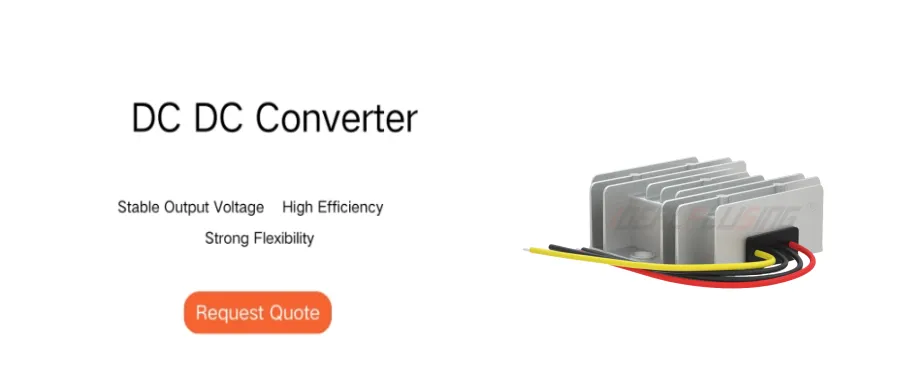
In the forward operation mode, the input voltage Vin is filtered by the inductor Li and capacitor Ci at the input end, enters the switch tube, and then is transmitted to the output end through the transformer. In this process, the switch tube is periodically turned on and off. By adjusting the on and off time of the switch tube, the size of the output voltage Vout can be controlled. When the switch tube is turned on, energy is transferred from the input end to the output end; when the switch tube is turned off, the energy is stored through the inductor Li and capacitor Ci. By repeating this process continuously, the energy conversion from the output end to the input end can be realized.
2. Reverse operation
In the reverse operation mode, the input voltage Vout is filtered by the inductor Lo and capacitor Co at the output end, enters the switch tube, and then is transmitted to the input end through the transformer. Similar to the forward operation mode, the size of the output voltage Vin can be controlled by adjusting the on and off time of the switch tube. When the switch tube is turned on, energy is transferred from the output end to the input end; when the switch tube is turned off, energy is stored through the inductor Lo and capacitor Co. By repeating this process continuously, energy conversion from input to output can be achieved.