


Table Of Contents
The DC-DC converter is an important electronic device that can convert DC power from one voltage level to another and is widely used in various occasions. In order to make the performance of the DC-DC converter better, we need to optimize its control and modulation methods.
Control method
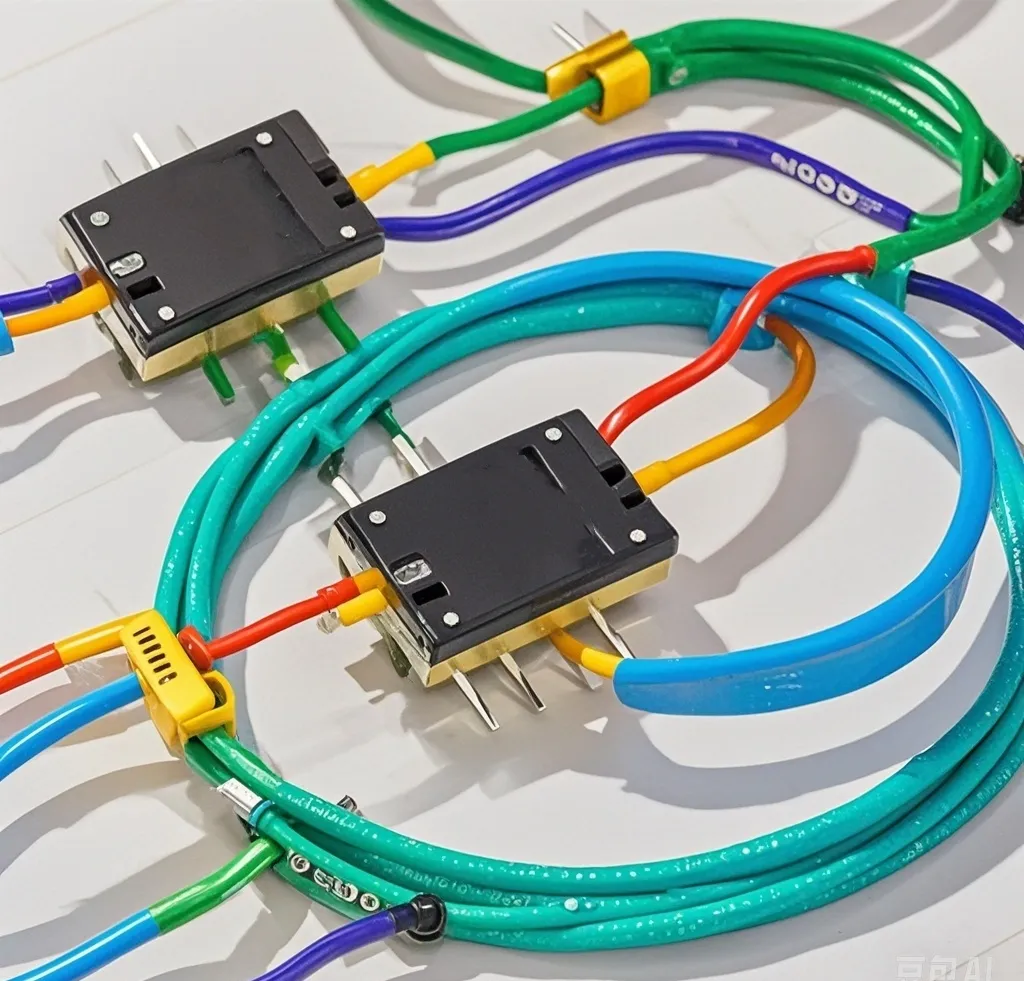
The control methods of DC-DC converters are generally divided into two types: open-loop control and closed-loop control.
Open-loop control
Open-loop control means that in the DC-DC converter, the control of voltage and current is achieved by directly controlling the switching state of the switch tube by the controller. The advantages of open-loop control are simplicity and low cost, but its disadvantage is that it cannot eliminate the influence of external disturbances, so it is easy to cause fluctuations in output voltage and current.
Closed-loop control
Closed-loop control means that in the DC-DC converter, the control of voltage and current is achieved by monitoring the output voltage and current through the controller and adjusting the switching state of the switch tube to achieve the control purpose. The advantage of closed-loop control is that it can eliminate the influence of external disturbances, and the output voltage and current are more stable, but the cost is relatively high.
For most applications, closed-loop control is a better choice because it can provide more stable and reliable power output.
Modulation method
Pulse width modulation PWM
Pulse width modulation (PWM) is a modulation method widely used in DC-DC converters. PWM modulation can achieve certain high and low level changes on the switch tube according to the input signal generated by the controller to make the power supply output voltage and current stable and reliable.
PWM has the advantages of stable output voltage and strong anti-interference performance, and its application covers almost all DC-DC converter fields. The setting of PWM timing, frequency and other parameters is crucial for the control and optimization of the converter.
Current modulation
Current modulation is rarely used in DC-DC converters, but it has better performance advantages than PWM in some applications. Current modulation refers to controlling the size and stability of the output current by changing the on and off time of the switch tube.
The difference between current modulation and PWM modulation is that current modulation pays more attention to current characteristics, while PWM modulation takes output voltage characteristics as the main consideration. This also provides a better and more stable solution for effectively controlling different load changes.
Finally, in order to make the performance of the DC-DC converter better, we not only need to choose the appropriate control and modulation method, but also need proper debugging and optimization. This requires an in-depth understanding of the operating characteristics of the DC-DC converter, and optimizing the selection of appropriate control modes and performance parameters based on actual requirements.