
Table Of Contents
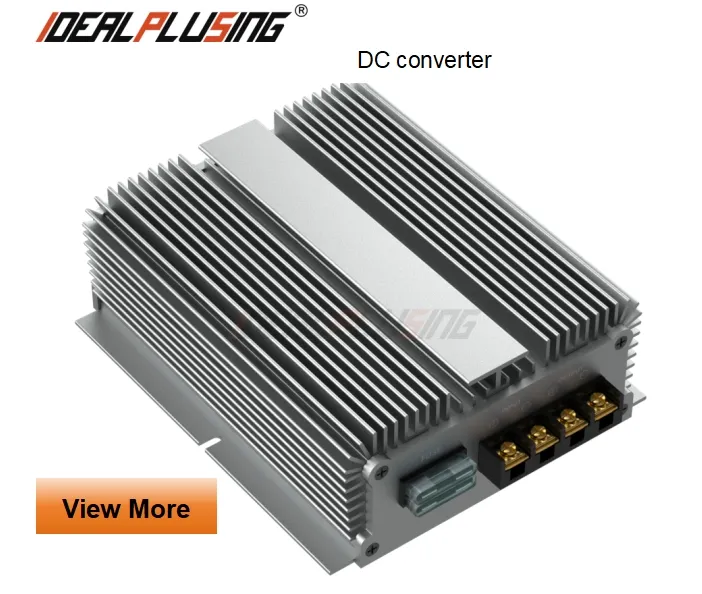
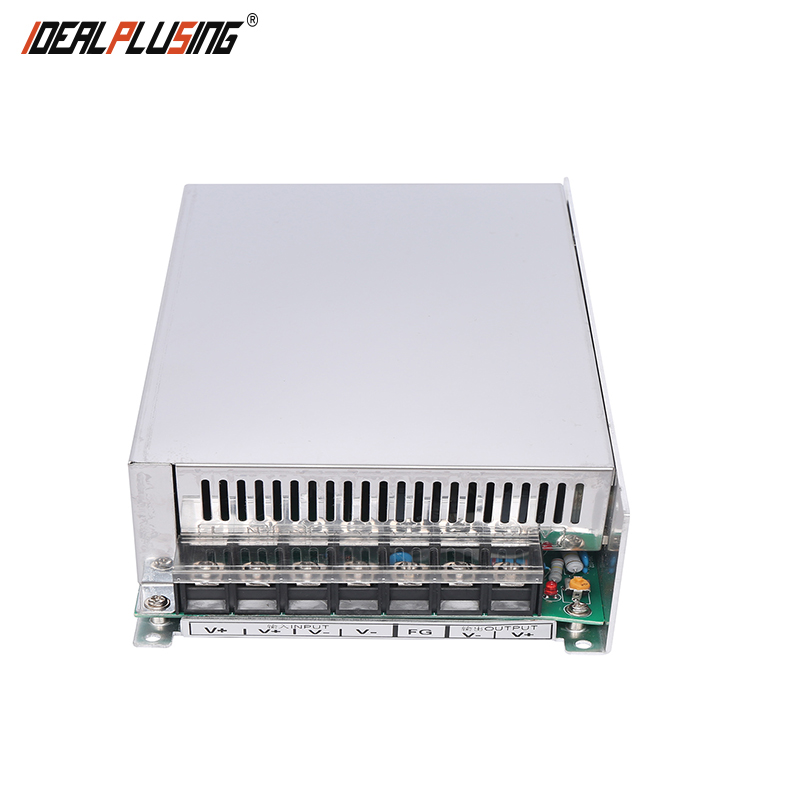
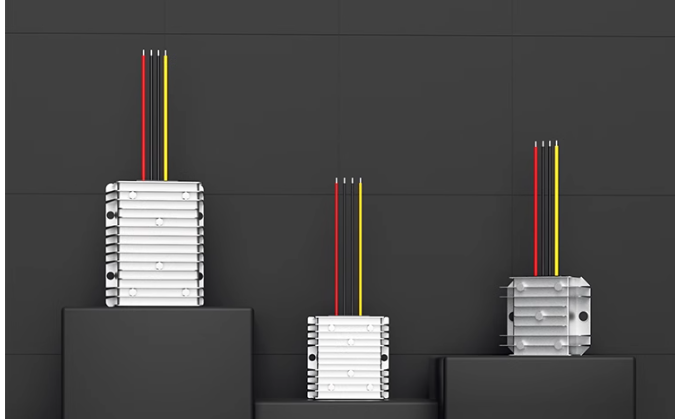
A bidirectional DC converter is a device that can realize the bidirectional flow of DC power. It is functionally equivalent to two unidirectional DC converters, and can control the direction of energy transmission according to actual needs, with the function of step-up and step-down bidirectional conversion.
Advantages
Bidirectional DC converter has many advantages, which make it widely used in many fields. The following will introduce the advantages of bidirectional DC converter
High efficiency and energy saving: The bidirectional DC converter adopts high-frequency switching technology, which makes the converter more efficient and can effectively reduce energy waste.
Strong flexibility: Since it can realize the bidirectional transmission of DC power, the bidirectional DC converter is more adaptable under different load conditions.
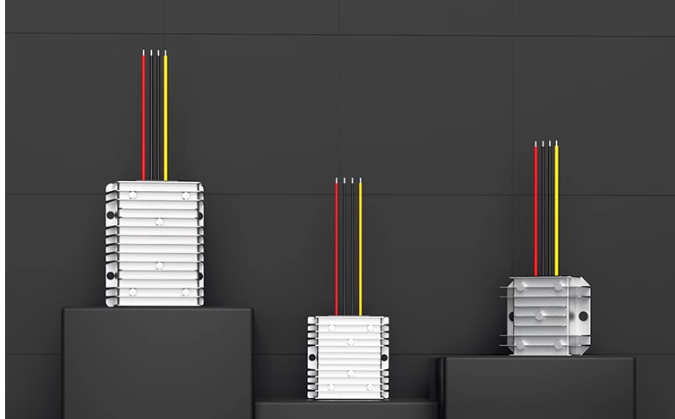
Small size and light weight: The use of advanced technologies such as high-frequency transformers and SMD components greatly reduces the size and weight of the bidirectional DC converter, making it easier to carry and use.
High safety: It has protection functions such as overvoltage protection and overcurrent protection, which can effectively protect the safety of circuits and loads.
Applications
Bidirectional DC converters have a wide range of applications. The following briefly introduces several applications of bidirectional DC converters.
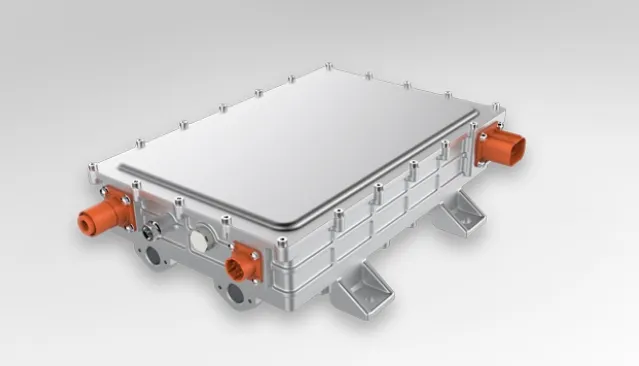
Hybrid electric vehicle: In hybrid electric vehicle, bidirectional DC converter is used to realize energy exchange between battery pack and motor. It can provide electric energy to motor when the vehicle is driving, and recover braking energy to charge the battery when braking.
DC uninterruptible power supply system: In DC uninterruptible power supply system, bidirectional DC converter is used to realize seamless switching and energy management between backup power supply and main power supply. It can quickly switch to backup power supply when the main power supply fails, and smoothly switch back to main power supply after the fault is restored.
New energy power generation: In the field of new energy power generation such as solar and wind power generation, bidirectional DC converter is used to realize bidirectional transmission of electric energy between solar panels and wind turbines and power grid. It can improve the utilization rate of new energy and the stability of power grid.
Smart grid: In smart grid, bidirectional DC converter is used to realize coordinated control and optimized operation between distributed energy and power grid. It can improve the intelligence level and energy utilization efficiency of power grid.
Electric vehicle: In the field of electric vehicle, bidirectional DC converter also plays an important role. It can realize functions such as energy exchange between battery pack and motor and fast charging and discharging control of battery pack.
Development Trends
With the advancement of science and technology, the transformation of energy structure, the continuous development of power electronics technology and the application of new materials, the performance of bidirectional DC converters will be further improved and their application areas will be further expanded.
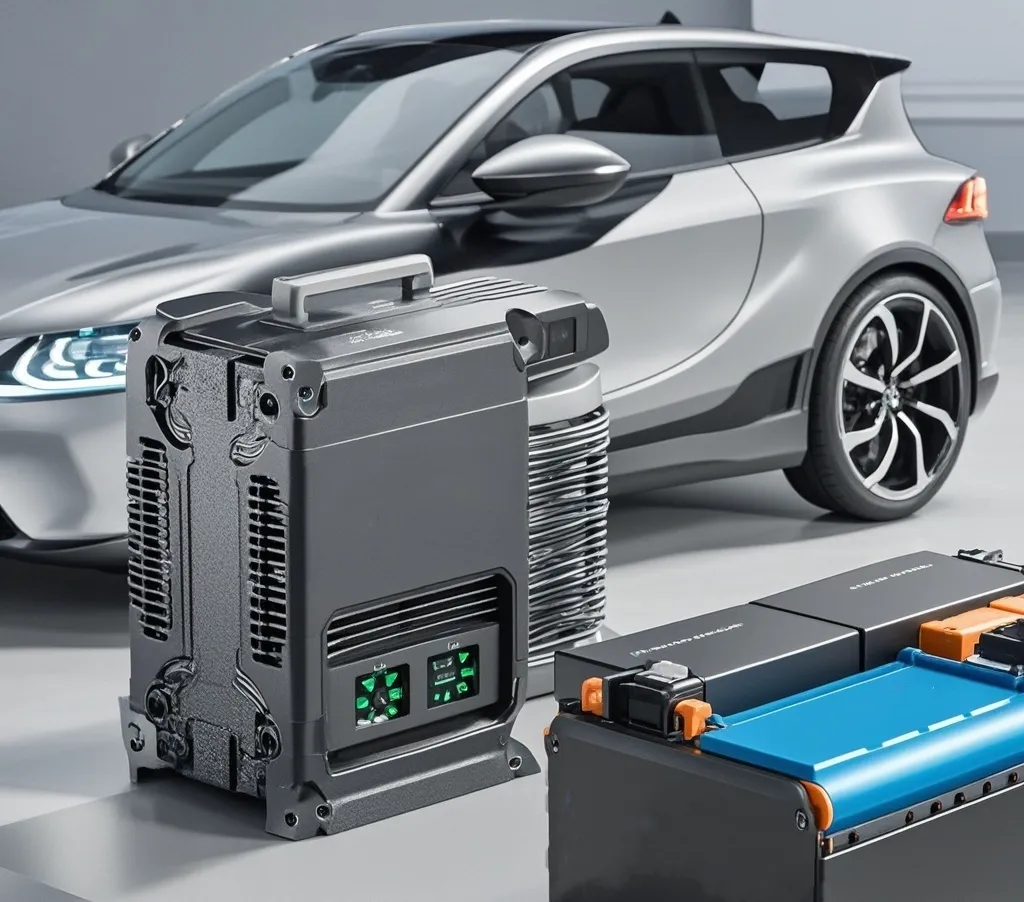
Efficiency: By optimizing circuit design and adopting more advanced switching devices and other technical means, the efficiency of bidirectional DC converters can be further improved and the loss in the energy conversion process can be reduced. This will help improve the overall energy utilization efficiency, especially in applications with extremely high energy efficiency requirements, such as electric vehicles, aerospace and other fields.
Modularization and integration: In order to meet the needs of different application scenarios, bidirectional DC converters will tend to modular design, that is, the various functional units of the converter will be designed as independent modules, which will be connected and combined through standardized interfaces. This will not only facilitate maintenance and upgrading, but also flexibly configure the power level and performance parameters of the converter according to actual needs. At the same time, with the advancement of semiconductor packaging technology, more functions will be integrated into a single chip to achieve higher integration and smaller size.
Intelligence and networking: With the popularization of technologies such as the Internet of Things, big data, and cloud computing, bidirectional DC converters will gradually achieve intelligence and networking. By integrating sensors, communication modules and intelligent control units, the converter can monitor its own operating status and working environment in real time, perform fault diagnosis and predictive maintenance. At the same time, through network connection, the converter can exchange information and work together with other devices and systems to achieve intelligent management and optimized operation of the entire power system.

4.Wide input voltage range: In order to meet the needs of different power sources and loads, the bidirectional DC converter will have a wider input voltage range. This means that the converter can work normally within a larger voltage fluctuation range without the need for additional voltage regulation equipment. This is of great significance for improving system reliability and reducing costs.
5.High power density: With the continuous advancement of power electronics technology, the power density of bidirectional DC converters will continue to increase. High power density means that the converter can provide greater output power at the same volume and weight. This is particularly important for applications that require high power output, such as fast charging stations for electric vehicles, industrial automation production lines, etc.
6.Application of new materials: The application of new materials will further promote the development of bidirectional DC converters.
In summary, bidirectional DC converters are an important component in the field of power electronics and will develop towards a more efficient, intelligent, reliable and environmentally friendly direction in the future. With the continuous advancement of technology and the continuous expansion of application areas, bidirectional DC converters will play an important role in more fields and contribute to promoting energy transformation and sustainable development.